
International Business2 November 2026 · 10 min read
My Reflections on Doing Business in Europe and Africa
How working across different markets, cultures and institutions has shaped my approach to business, and why diplomacy, cultural understanding and trust matter as much as commercial strategy.
By Irina Stoica, Vice President of Sales, Europe & Africa
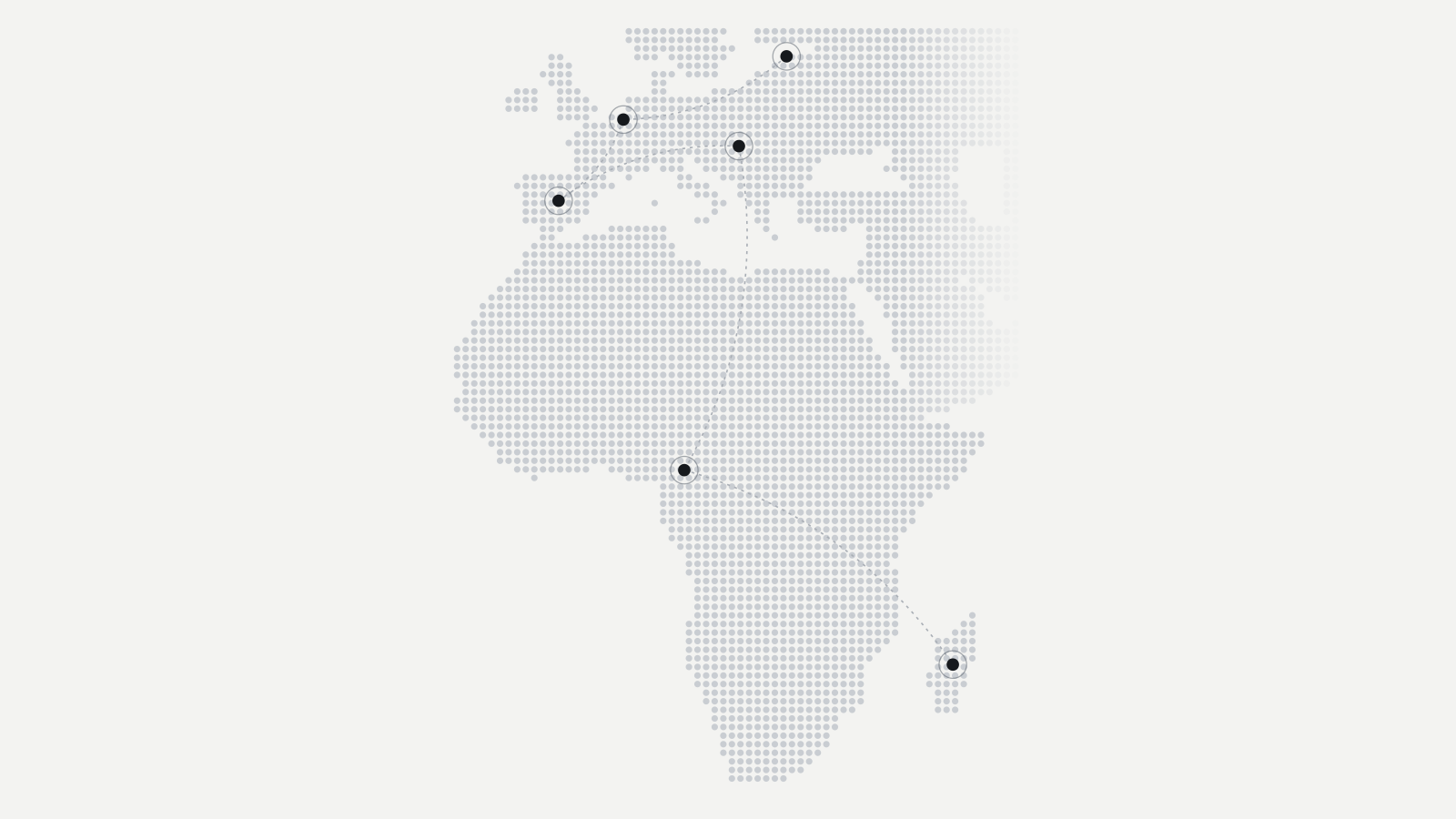
For the past several years, my professional life has taken me between Europe and Africa. In the same month, I might attend a meeting at a government ministry in Africa, participate in a procurement discussion in Central Europe and join a board meeting in another time zone.
Each environment has its own way of doing business, its own expectations and its own understanding of what makes a successful partnership.
People sometimes ask me which region is more challenging.
My answer is that neither is necessarily more difficult. They are simply different. What works well in one market may be less effective in another, and assumptions that seem reasonable in one environment can create problems elsewhere.
Working across both continents has taught me that international business requires much more than commercial knowledge and a good product. It requires cultural awareness, diplomacy, adaptability and the ability to build relationships with people who may see the world very differently.
These are some of the lessons I have learned along the way.
Two continents, but no single way of doing business
One of the first things I learned is that neither Europe nor Africa can be treated as a single market.
The business environment in Nairobi can be very different from that in Abidjan, just as working in Berlin is not the same as working in Bucharest.
Each country has its own institutional structures, business culture, regulatory requirements and decision-making processes.
Even within the same country, different organisations may have very different expectations.
Nevertheless, I have noticed certain differences that have influenced how I approach relationships and opportunities.
Processes and relationships
In many European markets, formal processes play a central role in business decisions. Procurement rules, compliance requirements and documented evaluation criteria establish the framework within which relationships develop.
Personal relationships still matter, but they generally operate within clearly defined procedures.
In some African markets where I have worked, building personal trust and establishing a strong working relationship can require greater attention before formal discussions progress.
This does not mean that procedures are less important. Rather, demonstrating commitment, understanding local expectations and building confidence can be essential to moving a project forward.
The lesson for me has been simple: understand how trust is established in each market instead of assuming the same approach will work everywhere.
Different expectations around time
Timelines can mean different things depending on the market, institution and nature of the project.
In some European procurement environments, schedules are clearly established and closely monitored.
In other situations, decisions may depend on budget approvals, political developments, changes in leadership or institutional priorities.
Of course, these factors can affect projects on either continent.
What matters is understanding the reasons behind a delay rather than immediately interpreting it as a lack of interest or commitment.
I have learned that managing expectations realistically is often more valuable than insisting on an unrealistic timetable.
Understanding how decisions are made
Another important lesson is that formal authority and practical influence are not always the same.
In some organisations, decisions follow a clearly structured approval process involving multiple departments and committees.
In others, senior leadership, technical advisers or other stakeholders may have considerable influence on how a proposal progresses.
Understanding these dynamics requires patience, careful observation and, most importantly, listening.
It is not enough to know who has the authority to sign a contract. You also need to understand who evaluates the proposal, who will be responsible for implementation and whose concerns must be addressed before a decision can be made.
Diplomacy and cultural compatibility: the skills we often underestimate
One aspect of international business that I believe deserves more attention is diplomacy.
We often associate diplomacy with governments and international relations, but it is equally relevant in business, particularly when working across cultures and with public institutions.
In my experience, knowing what to say is important. Knowing how, when and to whom to say it can be just as important.
A direct approach that is appreciated in one culture may be perceived as confrontational in another. Silence during a meeting may indicate disagreement, careful consideration or simply respect for hierarchy.
Even the way people express agreement can vary significantly. A positive response does not always mean a final decision has been made.
Understanding these nuances requires cultural awareness and a willingness to look beyond our own assumptions.
Diplomacy is not about avoiding difficult conversations. It is about knowing how to have them without damaging the relationship.
There are situations where commercial expectations need to be challenged, deadlines need to be discussed or difficult messages need to be delivered.
Doing this effectively requires tact, respect and an understanding of the other person's perspective.
I have also learned that cultural compatibility does not mean having the same background, communication style or way of thinking.
It means being able to work constructively despite those differences.
You do not need to agree on everything, but you do need to understand how the other side approaches decisions, manages disagreements and defines a successful outcome.
This becomes particularly important in long-term partnerships, where people from different countries, organisations and professional backgrounds may need to work together for years.
Technical expertise can help win a project. Cultural understanding and diplomacy often determine how successfully the relationship develops afterwards.
For me, these are not simply soft skills. They are practical business capabilities that influence communication, negotiations, problem-solving and ultimately the success of a project.
Lessons that have changed how I work
Over the years, several principles have become increasingly important in the way I approach business across different markets.
1. Being present makes a difference
Technology has made international communication easier than ever. We can organise meetings, review documents and negotiate with people thousands of kilometres away.
But I still believe that meeting people in person has a value that is difficult to replace.
Especially at the beginning of a relationship, being physically present demonstrates commitment and creates opportunities for conversations that might never happen during a scheduled video call.
It also gives you a better understanding of the local environment, communication styles and expectations.
In long-term government and technology programmes, clients are not simply choosing a product or service. They are choosing a partner they may need to work with for many years.
That relationship deserves time and personal attention.
2. Listen before presenting a solution
Early in a business discussion, it can be tempting to focus on what your company can offer, particularly when you have strong technology, relevant experience and a successful track record.
But I have found that the most productive conversations often begin with questions rather than presentations.
What is the client actually trying to achieve? What challenges are they facing? What has worked before, and what has not? What constraints may affect implementation?
The answers are not always obvious from a tender document or an initial meeting.
Taking time to understand the situation helps shape proposals that respond to real needs rather than simply presenting a standard solution.
Clients can usually recognise the difference.
3. Respect cultural differences without making assumptions
Working internationally requires sensitivity to different communication styles, expectations and professional traditions.
But cultural awareness should never become an excuse for stereotypes.
Not everyone from the same country approaches business in the same way, and personal experience, organisational culture and individual personality can matter just as much as nationality.
I have learned to observe, ask questions and adapt rather than assume I already understand how a particular market operates.
Sometimes a small adjustment in communication can prevent a misunderstanding or make a difficult conversation much more productive.
Showing respect for local customs and ways of working is not about changing your professional values. It is about creating an environment where both sides can work comfortably and effectively.
4. Local expertise is essential
One of the biggest mistakes an international company can make is assuming that experience gained in other markets automatically provides all the answers.
Local teams and partners understand the institutional environment, business culture, stakeholder expectations and practical challenges in ways that are difficult to appreciate from a regional office or headquarters.
Their contribution should go beyond facilitating introductions or supporting implementation.
They should be involved in shaping the strategy, assessing risks and identifying the most appropriate approach.
I have learned that combining international experience with strong local knowledge creates much better conditions for long-term success.
5. Think beyond the immediate contract
Many government programmes, particularly in areas such as identity, security and public infrastructure, have operational lives measured in decades.
Winning the initial contract is only one part of the relationship.
Implementation, service quality, maintenance, future upgrades and the ability to respond when problems arise all influence how a company is perceived.
A reputation built through successful delivery can open doors in other markets. Equally, a poorly managed project can affect opportunities long after the original contract has ended.
This is why I believe that long-term reputation should always carry more weight than short-term commercial gains.
6. Patience does not mean inactivity
International business, particularly when working with public institutions, often requires patience.
Projects can take longer than expected. Priorities change, approvals are delayed and decisions may depend on factors outside the control of either the client or the supplier.
But patience should never be confused with simply waiting.
It means staying engaged, maintaining relationships, understanding what is changing and being prepared when the opportunity moves forward.
Sometimes the most valuable work happens during periods when there appears to be little visible progress.
7. Know when to speak and when to listen
This may sound simple, but I consider it one of the most important lessons in international business.
Not every disagreement needs an immediate response. Not every silence needs to be filled. And not every meeting needs to end with a decision.
Sometimes the most effective approach is to give people time to consider a proposal, discuss it internally or express concerns in their own way.
Diplomacy requires understanding when to push for progress and when to give a conversation space.
It is a balance that comes with experience, and one that I continue to learn.
What remains the same across markets
Despite the differences between countries, institutions and business cultures, I have found that several fundamentals remain remarkably consistent.
People need to trust the organisations they work with.
Formal procurement procedures and contractual commitments are essential, but the people responsible for making decisions still need confidence in a supplier's ability to deliver.
Trust is built through consistency, transparency and keeping commitments, not simply through persuasive presentations.
Integrity matters everywhere.
Commercial pressure can sometimes encourage short-term thinking, particularly in competitive environments.
But cutting corners or making commitments that cannot be delivered may create problems that last far longer than any immediate business advantage.
Integrity is not just a personal value. It is essential to sustainable business, regardless of the market.
Every client wants to feel understood.
Whether I am speaking with a government representative, a procurement team or a senior executive, the underlying expectation is often similar.
They want to work with someone who understands their objectives, recognises their constraints and takes their concerns seriously.
A good proposal demonstrates technical competence. A strong partnership goes further by showing genuine understanding.
Respect crosses cultural boundaries.
Business etiquette may differ, communication styles may vary and expectations may not always align.
But professionalism, courtesy and genuine respect are appreciated everywhere.
Even when people disagree, the way those disagreements are handled can strengthen or weaken the relationship.
Delivery matters more than promises.
A compelling presentation can generate interest, and a competitive offer may win a contract.
But nothing builds credibility more effectively than delivering what was promised.
Successful implementation, reliable service and the ability to solve problems when they arise remain the strongest foundations for future business.
Final thoughts
Working across Europe and Africa has reinforced my belief that international business requires a combination of adaptability, diplomacy, cultural awareness and consistency.
You need to adapt your communication style, expectations and approach to the realities of each market.
You also need to understand that even within the same country, different institutions and individuals may have very different ways of working.
At the same time, your professional values should remain consistent.
Respect, integrity, reliability and a genuine interest in understanding the people you work with should not change depending on the country, the culture or the size of the opportunity.
For me, successful international business is not about applying one model everywhere or assuming that experience in one market guarantees success in another.
It is about remaining curious, listening carefully, respecting local expertise and recognising that relationships develop differently across cultures.
Perhaps the most important lesson I have learned is that you cannot build lasting international partnerships through commercial strategy alone.
You also need the diplomacy to navigate differences, the cultural awareness to understand them and the credibility to earn trust over time.
Markets may differ. Business cultures may differ. But respect, integrity and the ability to build trust remain universal.
Related insights
Digital Identity
26 October 2026 · 8 min read
Digital Identity Is Not Just a Technology Project. It's a Trust Project.
Why the success of a national identity programme depends not only on technical specifications, but also on the confidence citizens and institutions have in it.
Read
Commercial Leadership
19 October 2026
Winning a Contract Is Not the Same as Building a Business.
On the difference between a signature and a sustainable position in a market.
Read
Inclusion
12 October 2026
The People Most in Need of Digital Identity Are Often the Hardest to Reach.
Remote communities, displaced people and elderly citizens. What accessible enrolment really requires.
Read